


Copy of NORMANDO vs. JÚLIA MILARÉ

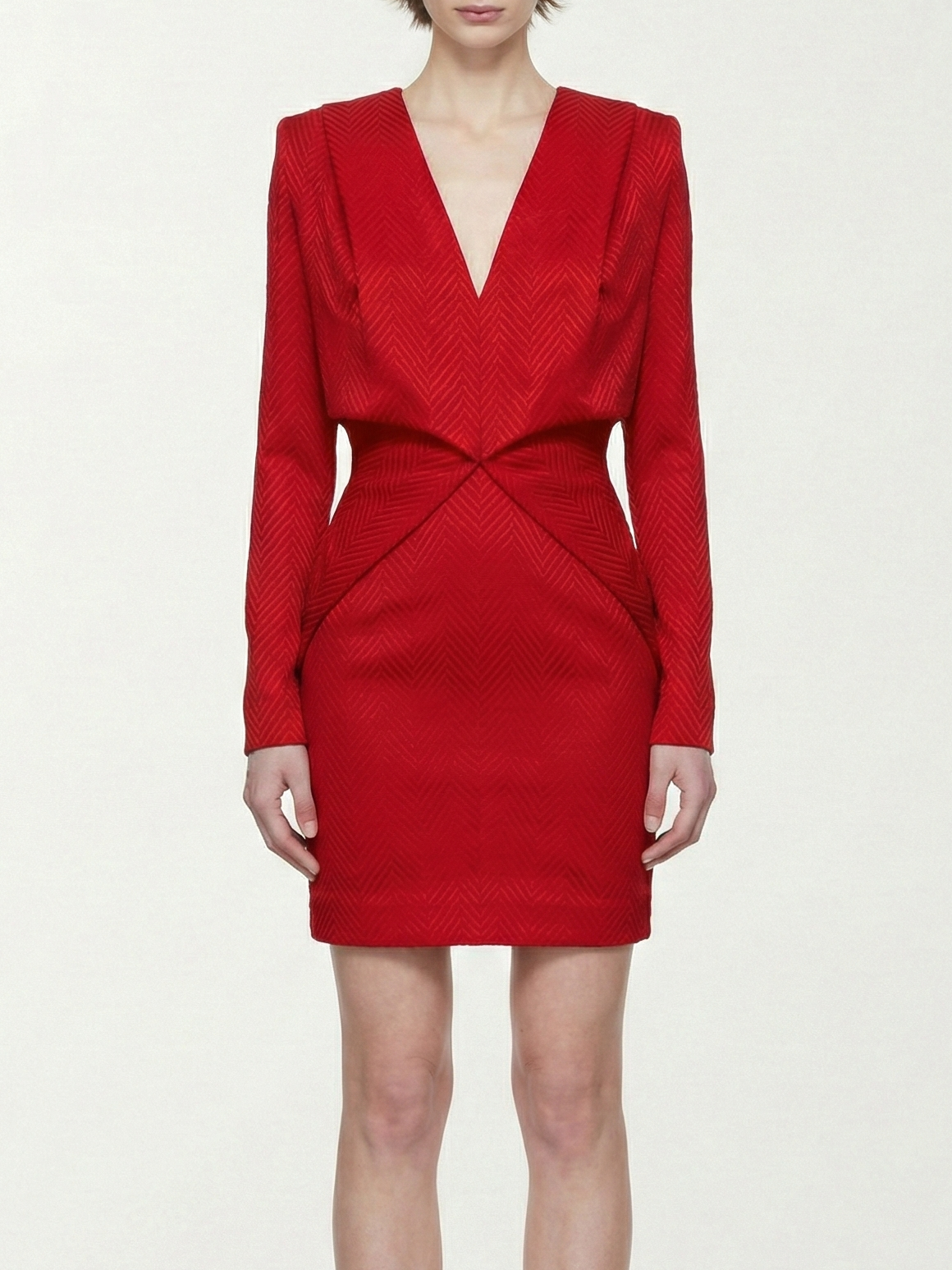
Normando is a brand with origins in the Brazilian Amazon. As a continuation of the brand's first collection launched in 2020, Normando, in collaboration with contemporary Brazilian artist Julia Milaré, developed a capsule collection titled "Tristes Trópicos" (Sad Tropics), featuring a wardrobe made from recycled fabrics, organic cotton, Egyptian cotton, and pure linen, hand-painted by Milaré.
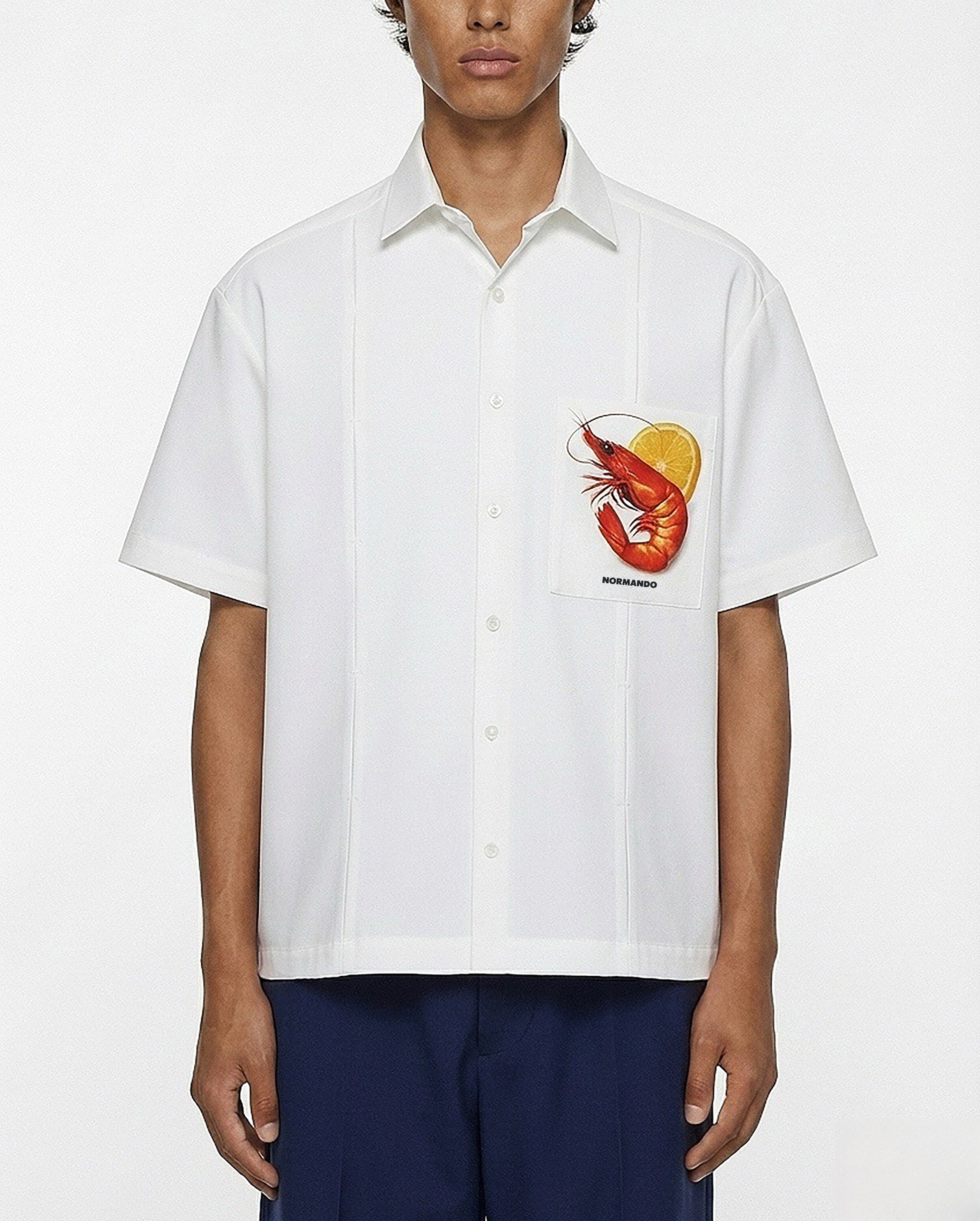
Resonating with our current times, the clash between man and nature becomes necessary. The "Tristes Trópicos" collection, which bears the same title as Lévi-Strauss's anthropological literary publication, comprises gender-neutral pieces: chemises, shirts, jackets, t-shirts, dresses, and scarves. These pieces feature paintings based on and reinterpreted from early 20th-century scientific illustrations of animals and plants characteristic of the Amazonian flora and fauna, mostly documented by Europeans.
In a fugere urbem atmosphere, the pieces, mostly made of light fabrics and tawny tones, feature hand-painted motifs of animals and plants such as: the pink river dolphin, Pitu shrimp, Uçá crab, and Amazonian black scorpion, as well as plants like: the Tajá and the Victoria Regia water lily. This rich biocultural heritage carries strong symbolism in popular imagination, blending aspects of species biology with culture itself in daily life, poetically, in a unique expression of historical preservation and the language of a people.
The pieces challenge the destruction of a way of life, of the Brazilian biome, increasingly threatened by economic and political interests, often disguised as progress. It is necessary for a society in unstable change to approach what we want to understand, local cultures, observe their daily activities, rituals, and if possible, participate in them to gain an understanding of the culture and evolutionary formation.
Through conversations between Normando and artist Julia Milaré, the artist developed a canvas referencing the brand: in Lina Bo Bardi's modernism, in Burle Marx's geometric abstraction and his organized tropical gardens, which until then showed human intervention and the displacement of this discourse, bringing within the amorphous window a garden or a forest with Amazonian vegetation in its purest form, without human alterations.
This collection is built in a "inside out, inside out" game, which strongly refers to the discourses used in Julia Milaré's works. It features the Amazonian tropical fauna and flora, including animals and plants rich in symbolism and superstitions, which indeed represent the tropics, subsequently affected by human hands.